
You do not need to be directly involved in property to have heard horror stories relating to Japanese knotweed. Fuelled partly by media reports, misinformation can easily spread. We are here to dispel some of the myths and concerns if you discover this invasive plant on your site. For clarity, there are also other invasive plant species within the UK, including Giant Hogweed, Himalayan Balsam, Mares Tail or Horse Tail and these are covered by the same legislation/principles.
The purpose of this Insight is to provide a brief introduction to Japanese knotweed (Fallopia japonica). Whilst Japanese knotweed can affect any type of property, we have compiled this Insight from a commercial property angle. We will review what it is, why it is considered an issue and the possible treatment methods.
Background
Increasingly, Japanese knotweed finds itself in the news or is the subject of our conversations walking around client sites. This plant species is not a new phenomenon and originates from Japan. Early sources can be traced back to circa 1849 when it was first introduced to Europe (Netherlands) (Non-Native Species Secretariat – 26 August 2016). It was first recorded in GB (South Wales) in 1886 and was used to landscape ornamental gardens.
The reason for this plant’s notoriety and reputation lies in its ability to quickly colonise and re-establish itself from very small fragments of root. For this reason, Japanese knotweed has successfully colonised many waterways, railways and vacant sites.
What is Japanese Knotweed?
Japanese knotweed is a hardy bamboo-like invasive perennial plant that typically reaches 3m tall and has an extensive system of ‘rhizomes’ (roots). It has large shield/heart-shaped green leaves with zig-zag stems. The stems begin as green and develop a red/purple speckle. The crown at the base of the plant is woody and clumpy. The underground rhizome system can easily be snapped and is often orange inside.
It is important to note that identifying this species will depend upon the time of year and the maturity of the plant. During the winter months, the plant dies back, and this makes positive identification increasingly difficult.
What is its appearance?
Growing season (March – October)
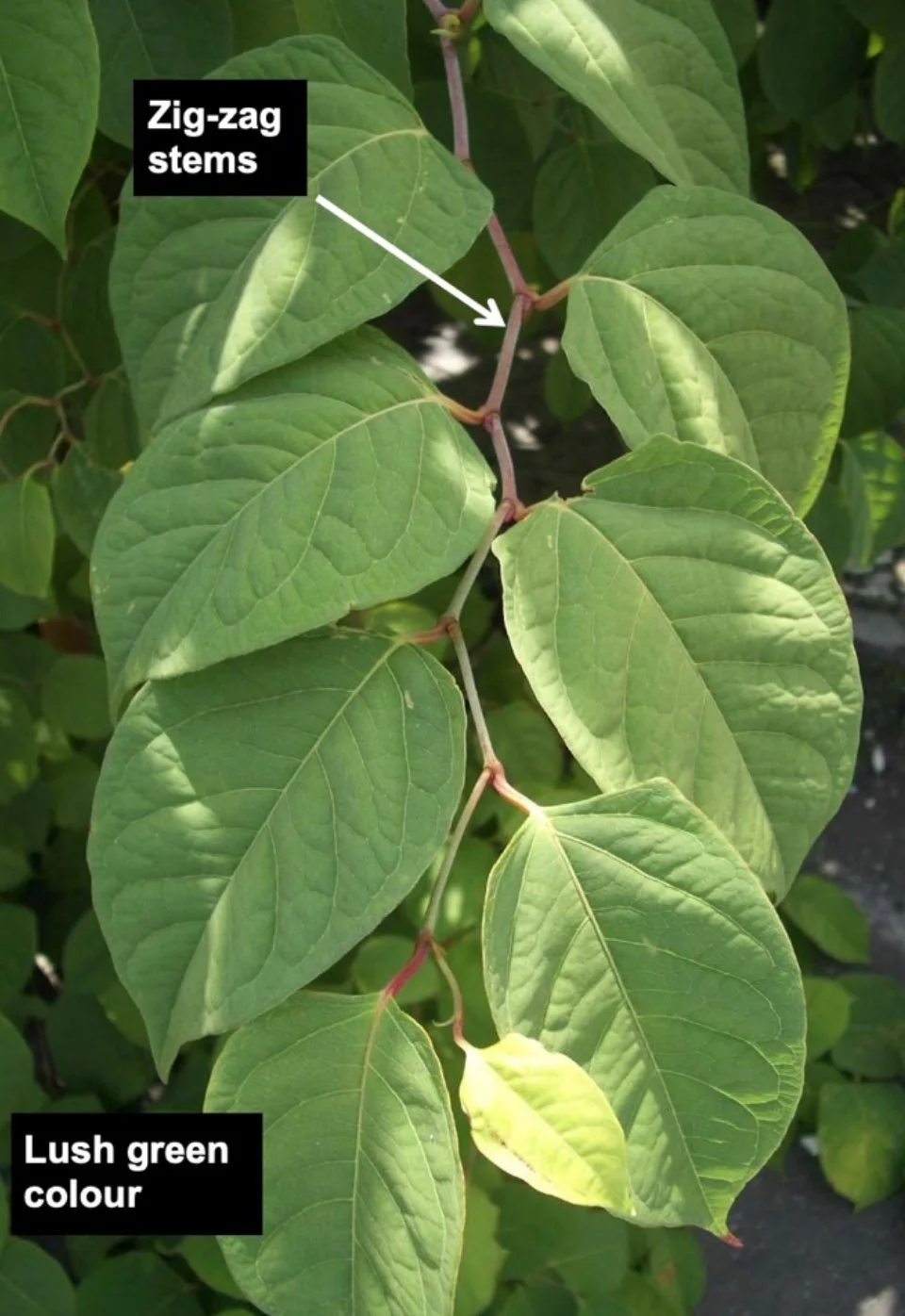
‘Zigzag’ stems
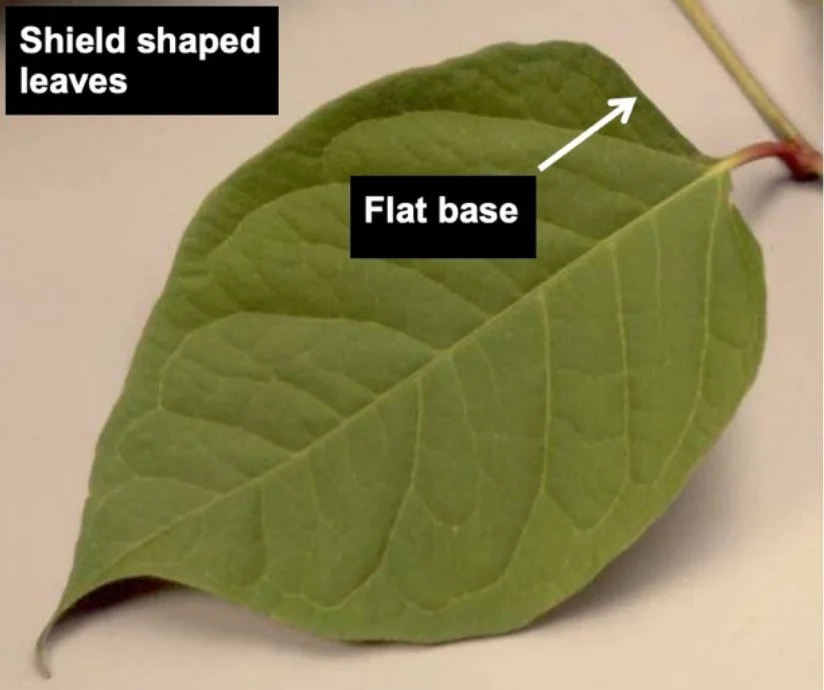
Leaves shaped like shields or hearts
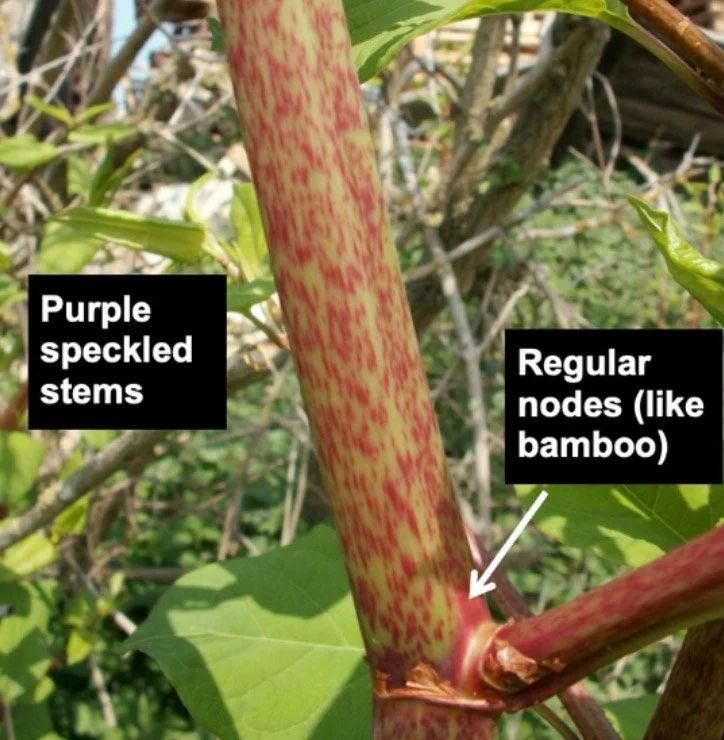
Stems initially green in colour and develop distinctive purple speckles. Similar appearance to Bamboo
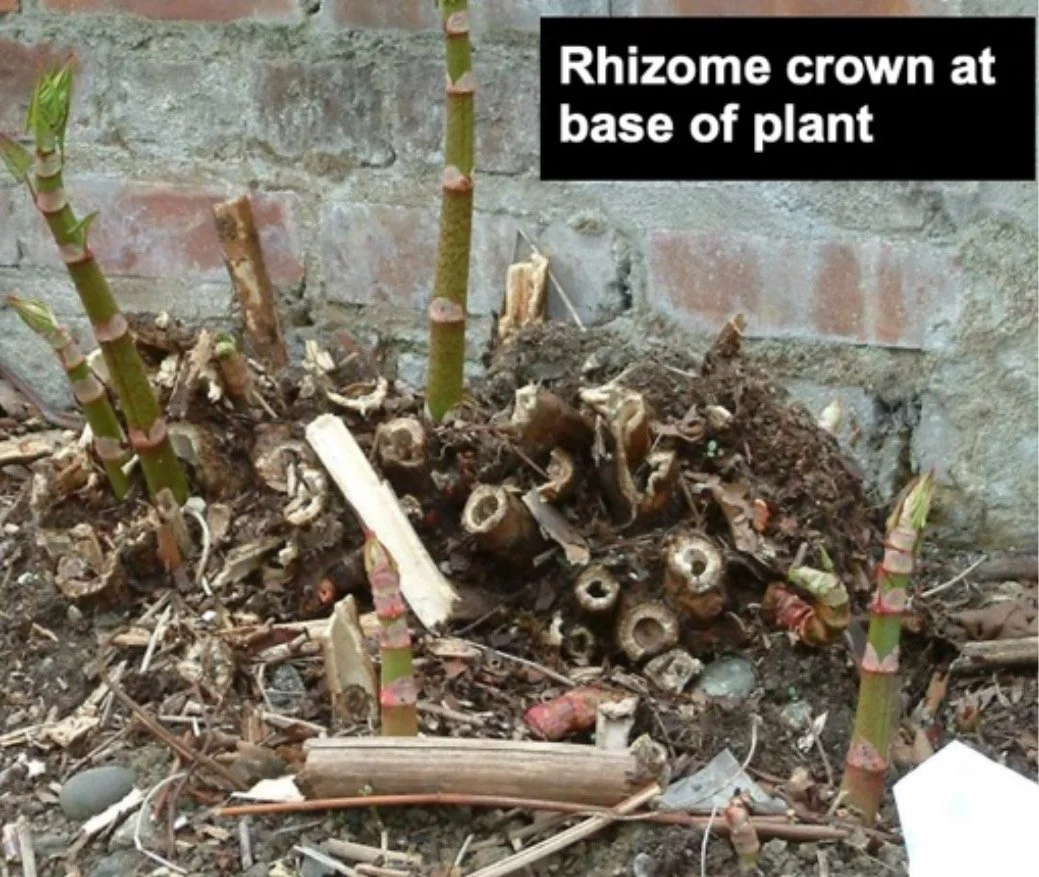
Rhizome crown at base of plant
Images provided courtesy of Non-native Species Secretariat (NNSS)
Winter (Nov – February)
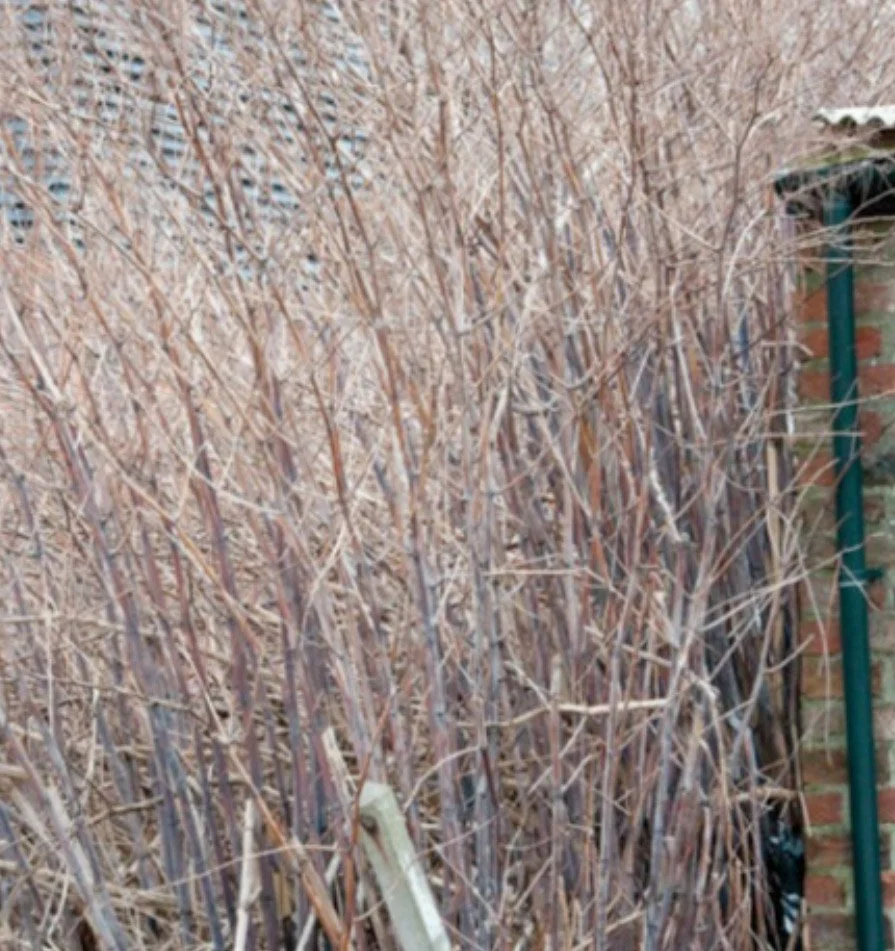
Leaves fall off and stems change colour to orange and brown
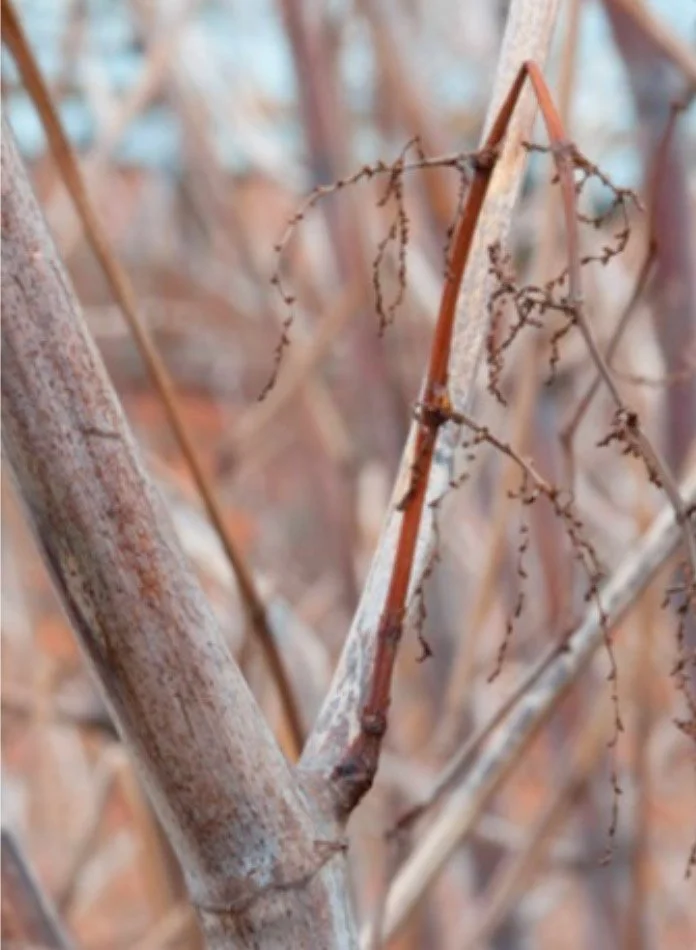
Hollow stems, brittle but remain resilient
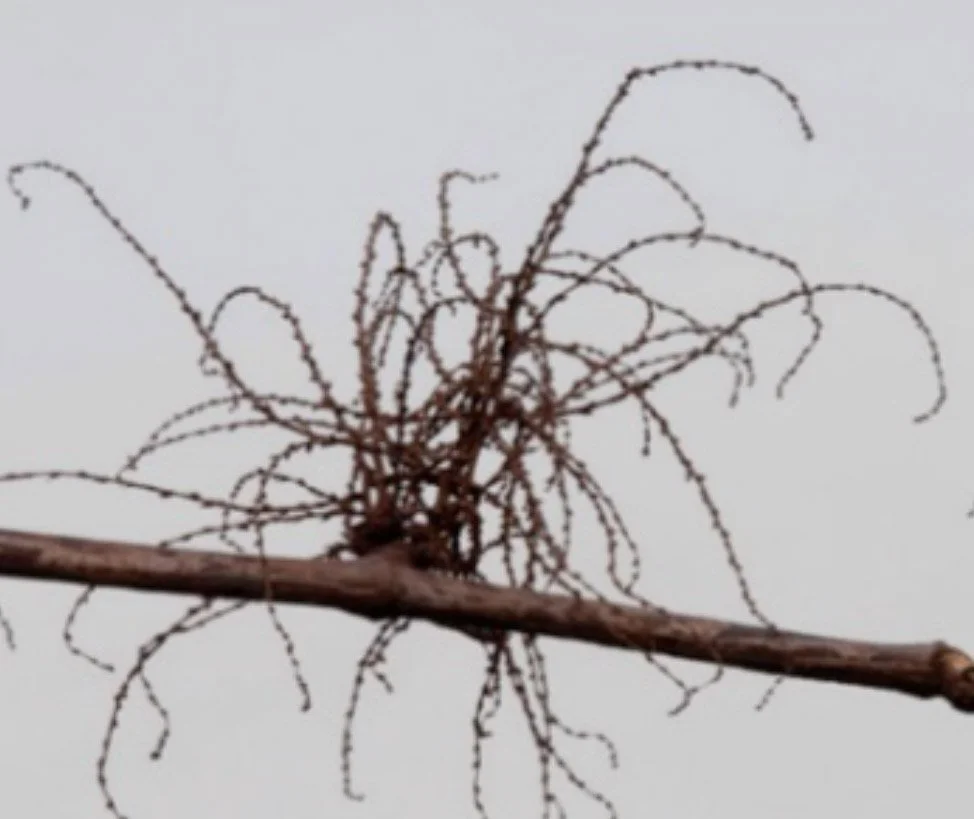
Typically stems remain standing / upright through to following spring
Images provided courtesy of RICS Information Paper - 1st edition (IP 27/2012)
New version: RICS Professional Standard – 1st edition, January 2022
Key Legislation and Legal Ramifications
Japanese knotweed is listed in Schedule 9 of the Wildlife and Countryside Act 1981 as a non-native species. It is the principal legislation that regulates the release of non-native species. Section 14 [2] prohibits the release of certain invasive non-native plants into the wild in Great Britain. It is an offence to ‘plant or otherwise cause Japanese knotweed to grow in the wild’.
The Environmental Protection Act 1990 designated Japanese knotweed contaminated soil as ‘controlled’ waste. Only licensed organisations may dispose of this waste from a property. Any excavated soil must be disposed of at a licensed landfill permitted to accept Japanese knotweed. The landfill operator must be made aware of the presence of Japanese knotweed and that soil is not used for future landscaping or restoration works.
To ensure safe disposal, contaminated soils must typically be buried to a depth of at least 5 metres. Section 34 of the Environmental Protection Act 1990 places a duty of care on all waste producers to ensure that any waste is disposed of safely. Furthermore, a written description of the waste should be provided to the site operator.
Property owners are under no obligation to declare the existence of/or remove invasive species from their property. However, under the Wildlife and Countryside Act, a duty of care is placed on the owner or occupier of a site containing invasive species, to prevent its escape onto adjoining wild land. Failure to comply may result in a fine and/or up to two years imprisonment.
If you are looking to sell your property, knowing that Japanese knotweed is present, the principles of caveat emptor [“let the buyer beware”] will apply. The disclosure of such information will be required during a property transaction.
If you are a Surveyor undertaking a building survey or valuation, careful consideration needs to be given to identifying whether Japanese knotweed or other invasive species are present. If a reasonably competent Surveyor is deemed not to have identified its presence, a negligence claim may be possible.
In the case of Ryb v Conway Chartered Surveyors & Ors [2019] an experienced and qualified RICS Surveyor was found to have been negligent in failing to identify Japanese knotweed at a property in north London. The surveyor was described in the judgement as being of the “old school”, relying on his significant experience but failing to keep up with the latest guidance and trends in property risk caused by knotweed.
He received criticism from the judge for not taking any photographs or measurements to back up the findings of his survey and he only took relatively brief, hand-written notes that didn’t support his defence. He was, therefore, lacking any robust evidence to support his claim that a stand of mature knotweed located in one corner of the property was not clearly obvious to him.
Subsequent damages of £50,000 for the loss in value of the property were awarded to the Claimant.
This case highlights the importance to Surveyors of:
Understanding the risks to property caused by Japanese knotweed;
Ensuring that knotweed presence is properly surveyed and assessed; and
Collecting appropriate evidence from each survey to back up their findings (i.e. proper notes and effective photographs).
It is important to note that the extent of the duty of care owed by a Surveyor will depend upon the nature of the survey undertaken. Please refer to Michele Davis v Marshalls (Plumbing and Building Development) Limited & Connells Surveying and Valuation Limited [2018] which was a case involving a mortgage valuation.
The court found that the Surveyor (Connells Surveying and Valuation Ltd) breached its duty of care by failing to identify the presence of Japanese knotweed during a mortgage valuation inspection, despite the plant being visible and reasonably detectable from accessible areas of the property.
The judge held that a competent valuer should have recognised the plant or, at minimum, raised a clear warning or recommendation for further investigation. This omission was deemed to have materially influenced the purchaser’s decision‑making, resulting in avoidable loss when knotweed was later discovered.
The contractor (Marshalls) was also criticised for providing inadequate advice and remedial input, but the primary liability rested with the surveyor due to the foreseeability of harm arising from a failure to identify a well‑recognised invasive species with known implications for value, management and mortgageability.
Why Should I Care?
Japanese knotweed is considered a significant issue for landowners for the following reasons:
Invasive Nature: It grows rapidly, reaching heights of up to 3 meters (about 10 feet) and can spread aggressively, forming dense stands that outcompete native vegetation;
Environmental Impact: Its dense growth blocks sunlight from reaching other plants, which can lead to a decline in local biodiversity. It consumes large amounts of soil nutrients, further limiting resources for native species. This disruption can have cascading effects on local ecosystems, affecting wildlife that relies on native plants for food and habitat;
Structural Damage: The plant’s robust root system can penetrate and damage infrastructure, including buildings, roads, and railways. It can grow through cracks in pavements and foundations, leading to costly repairs;
Economic Consequences: Properties infested with Japanese knotweed can lose significant value and banks may refuse to lend on affected properties; and
Management Challenges: Eradicating Japanese knotweed is notoriously difficult. Even small fragments of its rhizomes can regenerate, making traditional weed control methods largely ineffective. Complete removal often requires extensive excavation, which can be impractical and costly.
When looking to acquire or dispose of land/property, further consideration should always be given to the completion of an Environmental Due Diligence Report. Such reports should always include a site inspection as this will enable the Surveyor to assess whether a specialist Invasive Plants Survey is required.
If invasive plant species have been identified, it will be possible to obtain a cost for appropriate treatment and/or eradication and renegotiate the price.
What Options do you have if Discovered?
This would depend on your situation. You may be at the stage of purchasing a property, or Japanese knotweed may have already been discovered on your existing site.
If discovered before purchase, and the vendor is unwilling to reduce the purchase price, you may not have the budget to deal with any remedial works. At that point, the decision can be made to withdraw your interest in the property. If the vendor is willing to negotiate, it may allow you to reduce your offer to factor in the cost of remediation.
If you are looking to redevelop your existing site and Japanese knotweed is discovered, some form of treatment or removal methods are likely to be required which will increase development costs.
We have explored some general short and long-term options below;
Short-term
Treatment Methods - Physical
Physical methods can be undertaken throughout the year, but consideration should be given during the bird nesting season (March to August). Where feasible, physical methods can be undertaken quickly i.e. days/weeks, whereas chemical treatment may last 2 or 3 years.
Excavation - This activity requires a licensed organisation to remove and transport the waste to a licensed waste facility. All plants must be chased out to prevent regrowth. Costs are typically high, and works are highly disruptive. The extent of reinstatement works also needs to be considered.
On-Site Burning - This activity would require a ‘D7 Burning Waste in the Open Waste Exemption’ from the Environment Agency (EA). Once registered, the exemption is available for a period of 3 years and there no charge levied.
On-Site Burial / Encapsulation- This activity would not require a licence or permit from the EA, if the plant originated on site. It is best practice to keep a record of the burial location. Please note that unless it can be covered with 5 metres or more of overburden, a specialist root barrier membrane should be installed to fully or partially encapsulate the Japanese Knotweed-bound soil, to prevent any regrowth.
Longer-term
Treatment Methods - Chemical
Chemical treatment is best initiated when the plants are in the growing phase March to September. The choice of herbicide will depend on the proximity of any surface watercourses. Treatment methods are generally provided with insurance backed guarantees.
Chemical Control - Often the most cost-effective means of controlling Japanese Knotweed and refers to applying a professional herbicide over a period up to three years depending upon the infestation. This method requires regular site visits for managing and monitoring.
The main consideration is the locality of the plant in relation to any watercourses. Consent is needed from the Environment Agency if herbicides are to be sprayed near watercourses and only certain herbicides can be used. In situations near water, it is advisable to use a method of application known as ‘Stem Injection’. This method of application is labour intensive but minimises the herbicide coming into contact with other plants and is particularly effective later in the year when the plant is expending resources into its extensive rhizomes for the next year’s growth.
Conclusion
In our experience, where Japanese knotweed has been identified early in a transaction, it can usually be dealt with by price reduction or by putting in place an eradication programme with insurance-backed guarantees. However, where its presence has been missed during the due diligence process or insufficient time has been given to clear specialist surveys, property deals can be significantly impacted or fall over.
Should you require further assistance/guidance on invasive plant species and options available, please contact Ivy Lees (Building Consultants) and CONNIX (Environmental Consultants). We have specific experience advising our clients on the following issues:
Identification of invasive plant species and need for specialist surveys;
Advising on appropriate remediation options for your transaction and timescales;
Dealing with building contracts, schedule of dilapidations and project monitoring; and
Appointment of specialist contractors and/or obtaining insurance-backed guarantees for works undertaken.
Contact Details
hello@ivylees.co.uk – Building Consultancy
enquiries@connix.co.uk – Environmental Consultancy
References
RICS Information Paper – 1st edition (IP 27/2012) – Japanese Knotweed and residential property.
RICS Professional Standard – 1st edition, January 2022 - Japanese Knotweed and residential property.
RHS – Japanese Knotweed - https://www.rhs.org.uk/weeds/japanese-knotweed
Gatehouse Chambers – ‘Oh, that Knotweed! Sorry, didn’t I mention it? https://gatehouselaw.co.uk/oh-that-knotweed-sorry-didnt-i-mention-it/
Michele Davis v Marshalls (Plumbing and Building Development) Limited & Connells Surveying and Valuation Limited [2018]
Ryb v Conway Chartered Surveyors & Ors [2019]
Gov.uk – Guidance - How to stop Japanese knotweed from spreading
How to identify, stop the spread and dispose of Japanese knotweed in England - https://www.gov.uk/guidance/prevent-japanese-knotweed-from-spreading#how-to-identify-japanese-knotweed
Non-native Species Secretariat (NNSS) – Japanese Knotweed (Fallopia japonica) – Edited 26 August 2016 - https://www.nonnativespecies.org/non-native-species/information-portal/view/1495